

Introduction:
The world of e-commerce has been on a transformative journey, and as we approach 2024, the future promises even more innovation, evolution, and opportunities. From emerging technologies to shifting consumer behaviors, the e-commerce landscape is set to undergo substantial changes. Let’s explore the trends and predictions that are shaping the future of e-commerce in 2024.
- Rise of Augmented Reality (AR) and Virtual Reality (VR): In 2024, expect to see a surge in the integration of AR and VR technologies in e-commerce platforms. These immersive technologies will revolutionize the online shopping experience, allowing customers to virtually try on products before making a purchase. This innovation will bridge the gap between the physical and digital retail worlds.
- Personalization Reaches New Heights: E-commerce platforms are investing heavily in advanced analytics and artificial intelligence to deliver hyper-personalized shopping experiences. In 2024, customers can anticipate tailored product recommendations, personalized marketing messages, and individualized shopping interfaces, creating a more engaging and satisfying online journey.
- Blockchain for Trust and Transparency: The adoption of blockchain technology is set to address concerns related to trust and transparency in e-commerce. Blockchain can enhance security, reduce fraud, and provide an immutable record of transactions, assuring customers of the authenticity of products and the reliability of the supply chain.
- Voice Commerce Takes Center Stage: With the growing popularity of voice-activated devices, voice commerce is poised to become a significant player in the e-commerce landscape. Consumers will increasingly use voice assistants like Alexa and Siri to make purchases, prompting businesses to optimize their platforms for voice search and commands.
- Sustainable and Ethical E-commerce Practices: Conscious consumerism is on the rise, and by 2024, sustainability and ethical business practices will be paramount. E-commerce companies will focus on eco-friendly packaging, transparent sourcing, and environmentally responsible practices to attract and retain a socially conscious customer base.
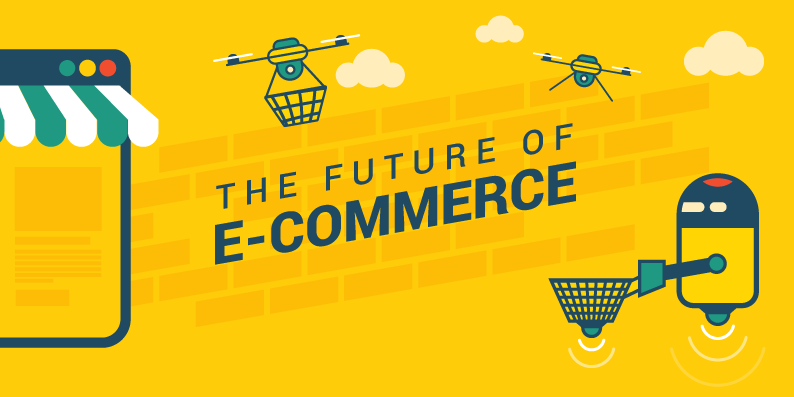
- Faster and More Efficient Delivery Options: The demand for speedy and efficient delivery services will continue to drive innovations in logistics. Drones, autonomous vehicles, and other emerging technologies will be employed to reduce delivery times and enhance the overall customer experience.
- Integration of Social Commerce: Social media platforms are evolving into e-commerce hubs. In 2024, expect to see tighter integration between social media and e-commerce, allowing users to discover and purchase products without leaving their favorite platforms. Social commerce will become a powerful channel for brand discovery and customer engagement.
- AI-Powered Customer Service: Artificial Intelligence (AI) will play a more significant role in customer service, providing instant and intelligent support. Chatbots, powered by advanced natural language processing, will handle routine queries, while human agents focus on more complex issues, resulting in faster response times and improved customer satisfaction.
- Subscription-Based Models Gain Momentum: Subscription-based e-commerce models will continue to gain popularity, offering customers the convenience of receiving products regularly without the need for repeated transactions. Businesses will explore creative subscription offerings beyond traditional products, such as personalized services and curated experiences.
- Global Expansion and Cross-Border Commerce: The world is becoming more connected, and e-commerce businesses will increasingly tap into global markets. Cross-border commerce will expand, facilitated by improved payment gateways, efficient shipping solutions, and a deeper understanding of diverse consumer preferences.
Conclusion:
As we look ahead to 2024, the e-commerce landscape appears vibrant, dynamic, and full of potential. Businesses that embrace emerging technologies, prioritize customer experience, and adapt to changing consumer expectations will position themselves for success in this exciting future of e-commerce. The key lies in staying agile, innovative, and responsive to the ever-evolving demands of the digital marketplace.